
PRP & PRF
The skin beneath the eyes is among the thinnest and most delicate on the face, and one of the first areas to show the cumulative effects of aging, fatigue, and volume loss. PRP (Platelet-Rich Plasma) and PRF (Platelet-Rich Fibrin) under-eye treatments use growth factors drawn from your own blood to support collagen production, improve skin thickness, and reduce the appearance of hollowing and shadowing in the tear trough area.

PRP and PRF: how they work and how they differ
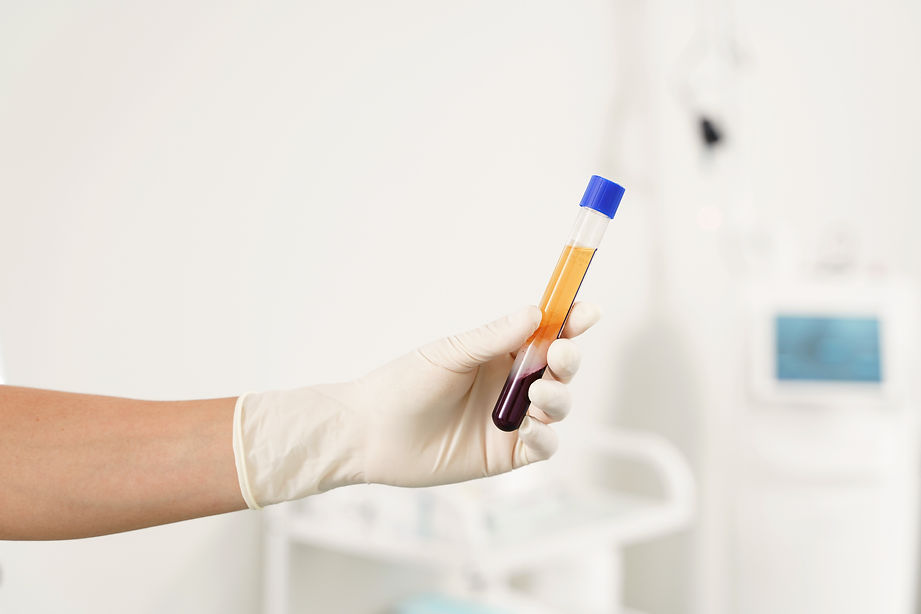
Both treatments begin with a small blood draw taken from the arm. The blood is placed in a medical-grade centrifuge to separate the platelet-rich portion from the red blood cells. The resulting plasma or fibrin is then injected precisely into the tear trough and surrounding undereye tissue. Because the substance injected comes from your own blood, the risk of allergic reaction is very low, though injection-related effects such as bruising, swelling, and temporary discomfort are common and expected.
-
PRP (Platelet-Rich Plasma): processed at a higher centrifuge speed, which produces a liquid plasma with a concentrated platelet content. Growth factors are released relatively quickly following injection, producing a faster initial response in the tissue
-
PRF (Platelet-Rich Fibrin): processed at a lower speed without anticoagulants, which preserves white blood cells and produces a fibrin matrix that releases growth factors gradually over a longer period. The extended release supports a more sustained tissue response and is generally considered the more advanced formulation for regenerative applications. At Luxe, your provider selects the most appropriate product for your specific presentation and goals at your consultation

What PRP and PRF under-eye treatment can address
-
Dark circles from hollowing and volume loss: in clients where undereye shadowing is caused by volume deficit in the tear trough rather than pigmentation alone, PRP and PRF can improve the appearance of the hollow over a treatment series as collagen builds beneath the skin surface
-
Fine lines and crepey skin texture: the growth factors in PRP and PRF stimulate collagen and elastin production in the dermis, which can improve the texture and thickness of the undereye skin over time
-
Skin thickness: the undereye area naturally thins with age, making blood vessels and structures beneath more visible. Building collagen in this area progressively over a series of treatments can reduce the see-through quality that contributes to a tired appearance
-
Very low allergic reaction risk: because the material injected is derived from your own blood, the risk of a classical allergic reaction is very low. Injection-related effects such as bruising, swelling, and temporary tenderness are expected and normal
During Your PRP/PRF Under-Eye Appointment

During the Treatment:
01.
The blood draw
-
A small blood draw is taken from your arm, typically 10ml, the same process as a routine blood test
-
The draw takes under two minutes and is performed at the start of your appointment so the centrifuge processing can run while the numbing cream takes effect
02.
The processing
-
Your blood sample is placed in our medical-grade centrifuge on-site and processed for approximately anywhere between 5-8 minutes to separate the platelet-rich portion from the red blood cells
-
The resulting PRP or PRF is prepared for immediate injection in the same session
03.
The Injections:
-
A topical numbing cream is applied to the undereye area before the injections begin, typically 20 minutes prior
-
Your injector places precise injections into the tear trough and surrounding tissue using a fine needle or blunt-tipped cannula, depending on your anatomy and the treatment plan
-
The undereye area is assessed throughout the injection process and product is placed conservatively, as the tissue response in this area continues for weeks after treatment
After Your PRP/PRF Under-Eye Appointment
01.
Initial swelling and bruising
-
Swelling and a full or slightly puffy feeling under the eyes is expected for 24 to 48 hours following treatment and is a normal part of the injection response
-
Bruising in the injected area is also common and can last three to seven days. This is more pronounced in clients on blood thinners or supplements such as fish oil, vitamin E, or aspirin
-
The treated area may appear temporarily fuller during this initial window before settling to its final position
02.
Skin quality improvement in the first few weeks
-
As the initial swelling resolves over the first week, the undereye area typically takes on a more hydrated and refreshed appearance
-
Surface skin quality often improves noticeably in the first four to six weeks as the early tissue response progresses
03.
Continued collagen building over months
-
The full collagen response from PRP and PRF treatment typically becomes visible over three to six months as new tissue matures beneath the skin surface
-
This is a gradual biological process rather than an immediate transformation. Most clients find the progressive change in skin thickness and shadow reduction most noticeable when comparing photographs from before treatment and at the three to six-month mark

Post-treatment care for PRP/PRF under-eye injections
Avoid blood-thinning medications and supplements including aspirin, ibuprofen, fish oil, and vitamin E for at least 48 hours after your treatment unless they are prescribed for a medical condition. The controlled inflammatory response triggered by the injection is part of how the growth factors initiate tissue repair, and anti-inflammatory medications can suppress this response. Keep the treated area clean and avoid pressure or rubbing under the eyes for 24 hours. Apply a gentle, fragrance-free eye cream and broad-spectrum SPF to the area from the day after treatment. Avoid vigorous exercise and heat exposure for 48 hours. Most clients find applying a cool compress gently to the area in the first few hours helps manage initial swelling. For sustained results, a series of three sessions spaced four to six weeks apart is the standard approach before reassessing. A maintenance session once or twice a year is typically sufficient for most clients thereafter. For clients who have had dermal fillers in the tear trough previously, let your provider know at your consultation so the approach can be coordinated appropriately.

PRP and PRF under-eye injections at Luxe Aesthetics Loft
The tear trough is one of the most anatomically sensitive injection areas on the face. The tissue is thin, the vascular structures are close to the surface, and the margin between a well-placed result and an overcorrected one is narrow. We use a conservative approach: product is placed precisely and results are assessed over the weeks following treatment before determining whether additional volume is appropriate. Clients are not encouraged to seek more product than their anatomy supports. The goal is a rested, refreshed appearance that is proportionate to your face, not a dramatic change.